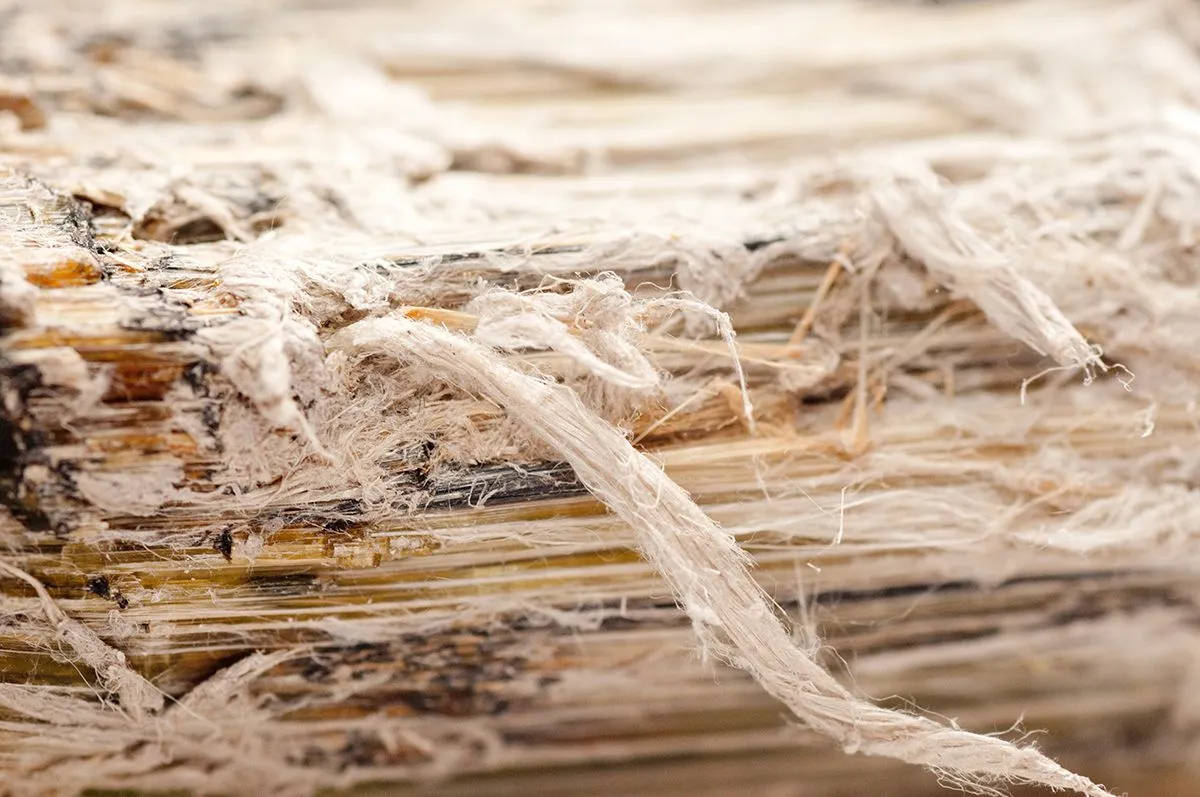

For much of the 20th century, asbestos was seen very differently to how it is today. In fact, asbestos was once regarded as a remarkable material: strong, versatile, resistant to fire, and affordable. Because of these seemingly invaluable characteristics, it found its way into millions of UK homes long before its risks were widely understood.
Although some early scientific and industrial evidence raised concerns, this information was not well communicated to homeowners. Asbestos related diseases typically take decades to develop, so early signs of harm were easy to overlook. As a result, asbestos became deeply embedded in the construction industry long before stricter safety standards emerged. At Cordtape Environmental, we know all about it.
What made asbestos so popular in home construction?
To understand the widespread use of asbestos, it’s helpful to look at the reasons builders and manufacturers favoured it so heavily. Before we explore the specific reasons for its use, it’s worth noting the broader context: after World War II, there was enormous pressure to build homes quickly and cheaply. Materials that offered durability and fire protection were in high demand, and asbestos seemed to tick every box.
But why else was asbestos such a popular material?
- Heat resistance: Asbestos could withstand extremely high temperatures, making it ideal for insulation around boilers, pipes, flues, heaters, and roofing materials.
- Durability and strength: It reinforced cement sheets, panels, and boards, allowing them to last for decades without warping or degrading.
- Sound insulation: The fibrous structure dampened noise, so asbestos was widely used in acoustic tiles, wall panels, and ceiling coverings.
- Fire protection: Builders relied on asbestos containing boards, sprayed coatings, and ceiling tiles to slow down the spread of fire.
- Low cost: Compared to alternatives, asbestos was cheap to produce and easy to source, which made it ideal for large scale construction during the UK’s housing booms.
When and where was asbestos used in homes?
Asbestos wasn’t used in just one or two areas of a house; at its peak, it could be found in dozens of different building components.
A brief timeline of asbestos use
- Early 1900s: Asbestos begins appearing in residential construction.
- 1930s–1970s: Use becomes widespread due to affordability and versatility.
- 1985: Blue and brown asbestos banned in the UK.
- 1999: All forms of asbestos banned.
Common places to find asbestos in homes
If your property was built or renovated before 2000, asbestos may still be present. Here are the most common areas:
- Corrugated garage roofs
- Soffits
- Gutters
- Roof tiles
- Pipe lagging
- Boiler insulation
- Thermal coverings
- Ceilings and wall coatings
- Flooring
- Internal building boards
- Heating
- Household appliances
Why it took so long to realise asbestos was harmful
Although we now understand the severe health risks associated with asbestos fibres, the dangers were not immediately obvious, nor were they widely known by the public.
Asbestos related diseases, including mesothelioma, asbestosis, and asbestos related lung cancer, typically take 20 to 50 years to develop depending on the length and intensity of exposure. This long latency period meant that symptoms did not appear until many decades after exposure, making the connection difficult to recognise early on.
Several factors contributed to the delay in widespread awareness:
Slow medical recognition: Early studies linking asbestos to disease focused on industrial workers with very high exposure. The general public was unaware of these findings.
Limited public communication: Even as evidence grew, information did not reach homeowners. The risks were seen as mainly an issue for factory and shipyard workers.
Widespread economic reliance: Asbestos was entrenched in manufacturing, construction, and industry; changing materials required major shifts in practices and costs.
Lack of immediate symptoms: Because exposure did not produce instant effects, many builders continued using asbestos with confidence.
Was any testing done to see whether asbestos was harmful?
Yes. Over time, significant testing and research were undertaken to understand asbestos’s impact on human health. Early research existed, but it was focused on heavy industrial exposure, not household use. This contributed to the public’s lack of awareness.
At Cordtape, we can assist you in locating and identifying Asbestos Containing Materials with our Asbestos Survey and Sampling service. If we do locate the presence of asbestos, our Asbestos Removal team will extract it from your premises in accordance with Control of Asbestos Regulations 2012. Our team is fully qualified to manage all aspects of asbestos assessment, removal, refurbishment and waste management.
With over 30 years of experience and a team of professionals, we ensure that every survey is delivered with accuracy, compliance, and safety in mind.